
The Tech Gifts I Regret Buying and What I'd Choose Instead
3 views
Buying tech as a gift feels exciting. You imagine the recipient using it every day, talking about how much they love it, and wondering why they didn't buy it sooner. Reality doesn't always match that picture.
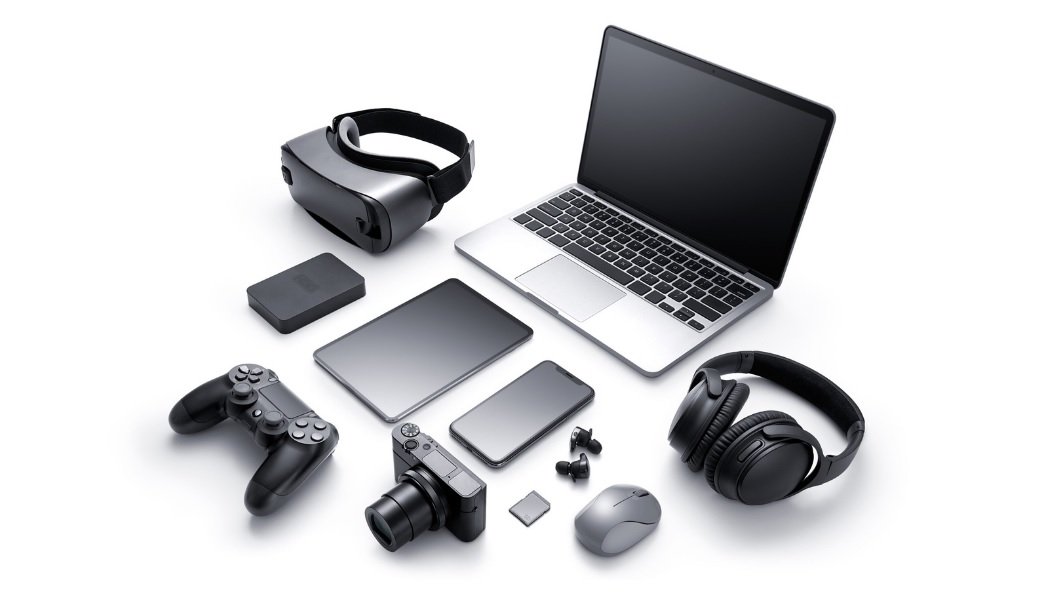
Some gadgets are impressive during the first week but end up forgotten in a drawer. Others require expensive subscriptions, constant charging, or software support that fades sooner than expected. After watching plenty of products lose their appeal over time, I've learned that the best tech gifts aren't always the newest or flashiest ones.
Here's a closer look at the tech gifts I'd think twice about buying today—and the alternatives that offer better long-term value.
Why Some Tech Gifts End Up Being Regrets
A disappointing tech gift usually isn't "bad." More often, it simply doesn't fit how people actually live.
Many purchases are driven by impressive marketing or short demonstrations. Once the excitement wears off, practical issues become obvious:
The product solves a problem the recipient never had.
It needs frequent charging.
It requires paid subscriptions.
It doesn't work well with existing devices.
Software support is shorter than expected.
Repairs are difficult or expensive.
Consumer protection experts also recommend comparing warranties, return policies, and independent reviews before purchasing electronics rather than relying only on advertising or star ratings.
1. Cheap Smartwatches
Budget smartwatches often promise dozens of health features, long battery life, GPS, sleep tracking, and phone integration for surprisingly low prices.
The problem is that many deliver an inconsistent experience.
Common issues include:
Inaccurate fitness tracking
Limited software updates
Poor app support
Weak build quality
Slow performance after several months
If someone truly wants a smartwatch, it's usually better to buy an entry-level model from a company with an established software ecosystem rather than the cheapest option available.
Better choice
A reliable fitness tracker
An entry-level smartwatch from a major manufacturer
A quality analog watch if health tracking isn't important
2. VR Headsets for Casual Users
Virtual reality is genuinely impressive.
The first experience often feels unforgettable.
Unfortunately, many casual users discover that VR isn't something they use every week. Setting up the headset, clearing room space, updating software, and wearing a relatively heavy device can become enough friction that it stays on the shelf.
VR makes sense for:
Dedicated gamers
Flight or racing simulator enthusiasts
Developers
Creative professionals
For everyone else, it can become an expensive novelty.
Better choice
Instead of spending hundreds on a headset that may gather dust, consider:
A gaming gift card
A quality gaming controller
Premium headphones
A portable SSD for storing games
3. Smart Home Gadgets Without an Ecosystem
Buying a random smart plug, smart bulb, or smart speaker sounds thoughtful.
But smart home devices work best when they belong to a larger system.
A single device often creates more confusion than convenience.
Recipients may need to:
Download another app
Create another account
Connect another hub
Learn another interface
Instead of making life easier, you've given them another digital system to manage.
Better choice
Ask which ecosystem they already use first.
For example:
Situation | Better Gift |
|---|---|
Existing smart home | Compatible accessory |
No smart home devices | High-quality LED lamp or power strip |
New homeowner | Smart starter kit from their preferred ecosystem |
4. Wireless Charging Pads
Wireless charging sounds incredibly convenient.
In practice, many people still plug in a cable because it's faster and more reliable.
Charging pads also require careful phone placement, making them less convenient than advertisements suggest.
They're most useful on:
Bedside tables
Office desks
Coffee tables
They're less useful as someone's primary charging solution.
Better choice
A high-quality USB-C charger or multi-port charging station usually gets used every day.
5. Tiny Bluetooth Speakers
Ultra-compact speakers often sacrifice the one thing people actually want: sound quality.
Small speakers can struggle with:
Bass response
Battery life
Maximum volume
Outdoor performance
A slightly larger portable speaker often provides a dramatically better listening experience.
Better choice
Choose quality over extreme portability.
A mid-sized portable speaker generally offers:
Better battery life
Fuller sound
Better durability
Longer product satisfaction
6. Low-Cost Wireless Earbuds
Wireless earbuds have become one of the most popular gifts.
They're also one of the easiest categories to buy poorly.
Very inexpensive earbuds often suffer from:
Poor microphones
Audio dropouts
Weak battery life
Uncomfortable fit
Limited software support
The difference between a $20 pair and a well-reviewed mid-range pair can be surprisingly large.
Better choice
Instead of buying the cheapest model available, look for proven products with strong customer support and replacement parts.
7. Novelty USB Gadgets
Mini desk vacuums.
USB cup warmers.
LED message fans.
Keyboard vacuum cleaners.
These are fun for a few minutes but rarely become part of someone's daily routine.
Most end up stored away after the novelty disappears.
Better choice
Useful desk accessories tend to have much longer lives:
Laptop stand
Mechanical keyboard
Ergonomic mouse
Monitor light bar
Cable organizer
8. Products That Depend on Expensive Subscriptions
Some gadgets advertise attractive features but hide important costs behind monthly subscriptions.
Examples include:
Cloud storage
AI features
Premium security monitoring
Advanced health insights
The gift may feel incomplete if the recipient later discovers recurring fees.
Better choice
Before buying connected devices, check:
Which features work without subscriptions
Monthly costs
Renewal pricing
Free feature availability
Software Support Matters More Than Most People Think
Many buyers compare only hardware specifications.
Software support deserves equal attention.
Security updates and feature updates keep connected devices functioning safely and reliably. The U.S. Federal Trade Commission found that many manufacturers do not clearly disclose how long smart products will receive software updates, making it harder for consumers to judge long-term value.
When comparing products, look for manufacturers that clearly explain:
Update policies
Security support duration
Warranty information
Repair options
What I Look for Instead
After seeing which gadgets continue getting used years later, I now prioritize gifts with lasting value.
The best technology gifts usually share several characteristics:
Simple to set up
Useful every week
Compatible with existing devices
Built by companies with reliable support
Durable enough to last several years
Some examples include:
Portable SSDs
Quality mechanical keyboards
USB-C charging stations
Reliable external batteries
Ergonomic computer accessories
Noise-canceling headphones
E-readers for regular readers
High-quality webcams for remote workers
These products solve everyday problems instead of creating new ones.
Tips Before Buying Any Tech Gift
A little research can prevent expensive mistakes.
Before purchasing:
Check independent expert reviews instead of relying only on retailer ratings.
Confirm compatibility with the recipient's devices.
Read the warranty carefully.
Look up the return policy.
Search for common long-term complaints.
Find out whether subscriptions are required.
Compare prices across multiple trusted retailers.
Consumer experts also recommend keeping purchase records and understanding return policies before buying electronics online.
Frequently Asked Questions
Should I avoid buying tech gifts altogether?
Not at all. The best tech gifts solve real problems or improve something the recipient already enjoys. Practical products often provide more lasting value than trendy gadgets.
Are expensive gadgets always better?
No. Price doesn't guarantee satisfaction. A thoughtfully chosen mid-range product that fits someone's needs often becomes more useful than an expensive device packed with features they'll never use.
How can I tell if a gadget will become outdated quickly?
Look at the manufacturer's software update policy, warranty, repair options, and history of supporting older products. Devices with regular updates generally remain useful for longer.
Is buying refurbished tech a good idea?
It can be. Refurbished products from reputable manufacturers or certified sellers often provide excellent value, especially when they include a warranty.
What's the safest approach when I'm unsure what someone wants?
Choose something broadly useful, such as quality headphones, a portable SSD, a charging station, or a gift card to their preferred technology retailer. These gifts are less likely to end up unused.
The Best Tech Gift Is the One That Gets Used
It's easy to be tempted by flashy product launches and clever marketing. The gifts people appreciate most, though, are usually the ones that quietly become part of everyday life.
Before buying the newest gadget, think about how the recipient actually spends their time. A dependable accessory that works every day is often a better investment than an eye-catching device that spends most of its life on a shelf. A little research into compatibility, software support, warranties, and long-term usability can make the difference between a memorable gift and one that's quickly forgotten.
gadget buying mistakes
honest gadget review
tech regrets
gift buying guide
electronics
gadgets
Found this helpful? Share it!